ServicesConventional Loans
Conventional Loans in Manor, TX
We set up conventional home loans with attention to the parts that shape the next thirty years: how your income is documented, when the rate is locked, how mortgage insurance is structured and how it comes off. The goal is a loan that holds up in underwriting and long after closing.

What a conventional loan is and when it fits
A conventional loan is a home loan that no government agency insures. Most follow Fannie Mae and Freddie Mac guidelines, which set the rules on loan size, credit, debt-to-income ratio and down payment. Because no agency backs the loan, the lender prices the risk directly through your credit score and your loan-to-value.
It tends to fit borrowers with steady, documented income, credit in good shape and some savings for a down payment. If you put down less than 20 percent, you pay private mortgage insurance. Unlike FHA mortgage insurance, it can be removed once you build enough equity. That one detail often decides which program costs less over the life of the loan.
If your credit is thinner or you served in the military, our FHA Loans or VA Loans pages may describe a better match. We will tell you plainly which option works out cheaper for you.
What we handle on a conventional loan
- Pre-qualification, then pre-approval
- We start with a pre-qualification call. Then we pull credit and verify income for a pre-approval letter. A letter backed by verified documents carries more weight with a seller than one built on stated numbers.
- Income and asset review
- We read your pay stubs, W-2s and bank statements the way an underwriter will. Large deposits, employment gaps and overtime history get explained up front, not discovered a few days before closing.
- Rate and lock timing
- We show how your credit score and down payment move the rate through loan-level price adjustments. Then we time the lock against your contract date so it does not expire before closing.
- Mortgage insurance structure
- We compare monthly PMI with single-premium and lender-paid options and show where each one breaks even.
- Escrow built from real tax figures
- Texas has no state income tax, so property taxes carry more weight in the payment. We build escrow from the actual tax rate and the exemptions you can claim, so the payment does not jump at the first escrow analysis.
- Closing documents checked line by line
- We track the appraisal, title commitment and survey. Before you sign, we compare the Closing Disclosure against your Loan Estimate line by line.
Signs a conventional loan is the right call
Your credit is in good shape
Conventional pricing rewards stronger scores. As your score rises, the rate adjustments shrink and the advantage over FHA grows.
You have some money for a down payment
Some programs allow 3 percent down for qualifying first-time buyers, and 5 percent is common. More down means lower PMI and often a better rate.
Your income is steady and on paper
Two years of consistent W-2 income makes the file straightforward. If you are self-employed and your returns show heavy write-offs, our Bank Statement Loans may measure your income more accurately.
You plan to keep the loan for years
Because PMI can be dropped as equity builds, conventional financing often costs less over time than a loan with permanent mortgage insurance.
You are buying a second home or rental
Conventional loans can finance second homes and investment property. FHA and VA loans generally cannot.
What moves the cost of a conventional loan
The real cost of a conventional loan is the rate, the mortgage insurance and the closing costs together. Each one responds to a few specific inputs. We show how each input changes the numbers on your Loan Estimate, so the figures at closing match what you expected.
Credit score tier
Fannie Mae and Freddie Mac apply price adjustments by credit tier. A few points can move you across a tier and change the rate or the fee.
Loan-to-value
The size of your down payment sets both the PMI premium and the rate adjustment. Moving from 85 to 80 percent loan-to-value can matter more than most borrowers expect.
Points and lock length
Discount points lower the rate in exchange for an upfront cost. A longer lock protects a later closing date but usually prices slightly higher.
Property type and occupancy
Condos, multi-unit properties, second homes and rentals each carry their own adjustments. A primary single-family residence prices best.
Taxes, insurance and title charges
Property tax rates, hazard insurance premiums and Texas title charges feed into both your cash to close and your monthly payment.
How a conventional loan moves from call to closing
- 1
Pre-qualification call
You tell a loan officer about your income, debts, savings and price range. We give you an honest read on what you may qualify for and a list of the documents to gather.
- 2
Documents and pre-approval
We collect pay stubs, W-2s, tax returns and bank statements, pull credit and run the file through automated underwriting. You get a pre-approval letter you can shop with in Manor, Pflugerville or Hutto.
- 3
Contract, lock and Loan Estimate
Once you are under contract, we lock the rate for a period that covers your closing date. Your Loan Estimate arrives within three business days of the application.
- 4
Underwriting and appraisal
The appraisal is ordered, title is opened and the underwriter issues conditions. Because we package the file carefully at the start, many common conditions are answered before they are ever raised.
- 5
Closing Disclosure and signing
You receive the Closing Disclosure at least three business days before closing. We walk through it with you by phone or video, and then you sign at the title company.

Conventional loan questions
How much do I need to put down on a conventional loan?
Some programs allow 3 percent down for qualifying buyers, and 5 percent is common. Below 20 percent you will pay private mortgage insurance. On the pre-qualification call we can show your monthly payment at several down payment levels.
When does PMI come off?
On most conventional loans you can ask to cancel PMI once the balance reaches 80 percent of the original value, as long as your payment history is good. It ends automatically at 78 percent. Some loans also allow removal based on a new appraisal if the value has risen, and we will explain the rules that apply to yours.
Is a conventional loan better than an FHA loan?
It depends on your credit and down payment. With strong credit, conventional usually costs less because the pricing is better and PMI can be removed. With lower scores, FHA can come out ahead in the early years. We run both side by side so you can compare.
Can I refinance into a conventional loan?
Yes. Many owners refinance from FHA to conventional to drop mortgage insurance once they have enough equity. A cash-out refinance is also possible, though if you want to keep a low first-mortgage rate, our HELOC may fit better.
How long does a conventional loan take to close?
Timing depends on the appraisal, the title work and how complete your file is at the start. We set the rate lock to match your contract date and keep underwriting conditions moving so that date holds.
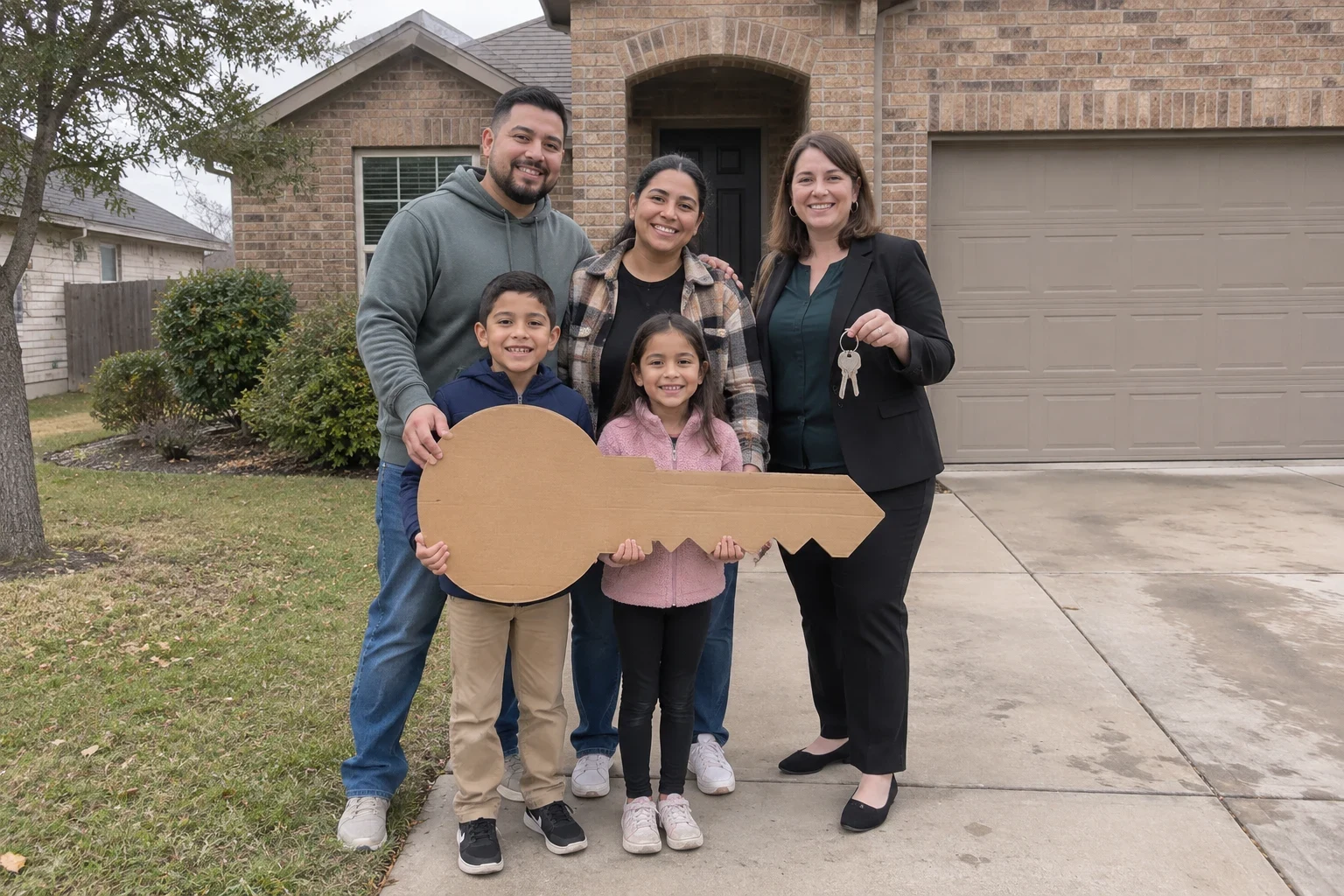
Start with a clear picture of what you qualify for
A short call with a loan officer gets you pre-qualified and shows which down payment and PMI setup makes sense for you. If you are ready, we can also take your loan application or give you rate quotes on the same call.