Manor, TX
Home Loans in Manor, TX, Built Right From the First Document
We arrange home loans for buyers and borrowers in Manor, Pflugerville and Elgin: conventional, FHA, VA and USDA purchase loans, plus HELOCs, bank statement, bridge and hard money loans. Before a file goes to underwriting, we check the income math, the asset trail and the appraisal timeline so closing day holds.
- Income checked like underwriting
- Loan estimate explained line by line
- Office, phone or video
- Eight loan programs

Why Borrowers Work With Us
Most loans that fall apart late do so over a detail nobody checked early. We build each file around those details from the first call.
- Income figured the way underwriting will
- We calculate qualifying income with the same rules the underwriter applies: two-year averages for overtime and bonus, depreciation added back on a Schedule C, rental income counted at the allowed share. A pre-approval built on the wrong income number is one of the most common reasons a purchase stalls in the final weeks.
- Deposits sourced at the start
- Any deposit that is not payroll gets flagged in underwriting. We ask for the gift letter or transfer record up front, so you are not hunting for a bank statement from four months ago while the closing date gets closer.
- Rate lock matched to the contract
- We set the lock length to your closing date with room for appraisal and title work. A lock that expires a few days early can mean an extension fee or a new rate.
- Every fee explained
- We walk through the loan estimate section by section: origination charges, points, title, prepaid interest and escrow. You know which numbers are fixed and which can still move before closing.
- Meet the way that suits you
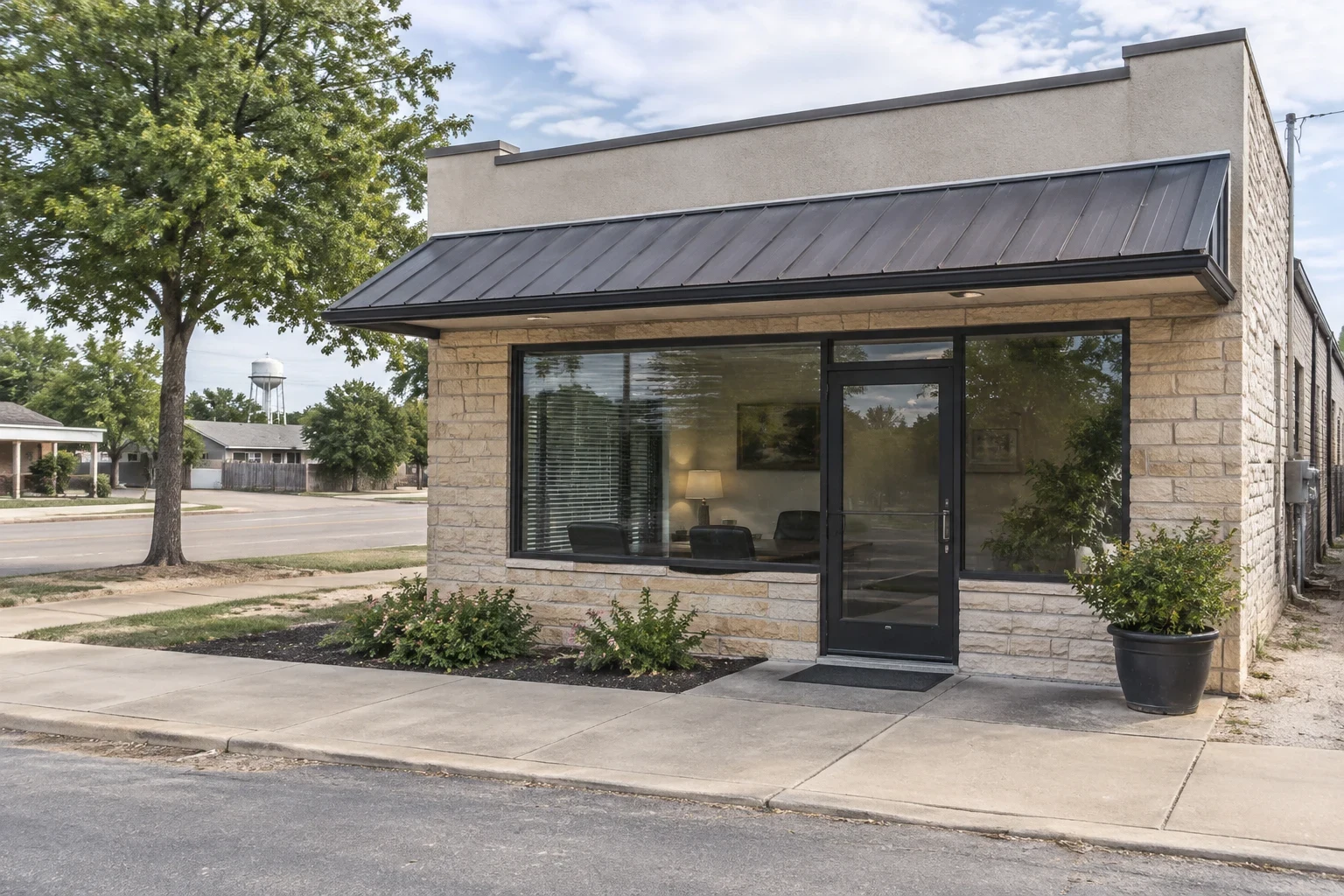
- Sit down with a loan officer at our office, or handle the whole process by phone and video. Many borrowers never need to come in until closing.
Home Loan Programs We Offer
We work with eight loan programs, and each has its own rules on down payment, mortgage insurance, credit and property type. Conventional loans, FHA loans, VA loans and USDA loans cover most purchases and refinances. For borrowers whose situation does not fit a standard file, we offer bank statement loans for the self-employed, bridge loans for buying before you sell, hard money loans for investors and a HELOC for drawing on equity. Pick the program you think fits, or give us your numbers and we will show you which ones you qualify for.

Conventional Loans
Conventional home loans with a careful income review, rate locks timed to your contract and PMI set up to come off as your equity grows.

FHA Loans
FHA financing for buyers with a smaller down payment or a credit score in the 500s and 600s, with the file checked line by line before it reaches underwriting.
VA Loans
VA home loans for veterans, service members and eligible surviving spouses, with close attention to the COE, appraisal conditions and funding fee.
USDA Loans
No-down-payment financing for eligible addresses and moderate incomes, with the property map, income limit and appraisal checked before you make an offer.
HELOC
Open a revolving line of credit against the equity in your homestead while keeping your current first mortgage and its rate in place.
Hard Money Loans
Short-term, asset-based financing for investors who need to close fast on a property that a bank will not lend on yet.
Bank Statement Loans
For self-employed borrowers whose tax returns understate their income, we qualify the home loan on 12 or 24 months of verified bank deposits.
Bridge Loans
Short-term financing that uses the equity in the property you are selling to fund the down payment on the next one, with the exit planned before closing.
Serving Manor and Nearby Towns
We work with borrowers in Manor and across the surrounding area, including Pflugerville, Wells Branch, Hornsby Bend, Elgin and Wyldwood. We also help buyers and owners in Round Rock, Hutto, Brushy Creek, Taylor and West Lake Hills. Meet us at our office or work with a loan officer by phone and video from wherever you are.
- Manor
- Pflugerville
- Wells Branch
- Elgin
- Hornsby Bend
- Round Rock
- Hutto
- Brushy Creek
- Taylor
- Wyldwood
- West Lake Hills
If you are buying or refinancing somewhere else nearby, ask on your first call and we will tell you right away whether we can take the loan.
A Lender That Checks the Small Things
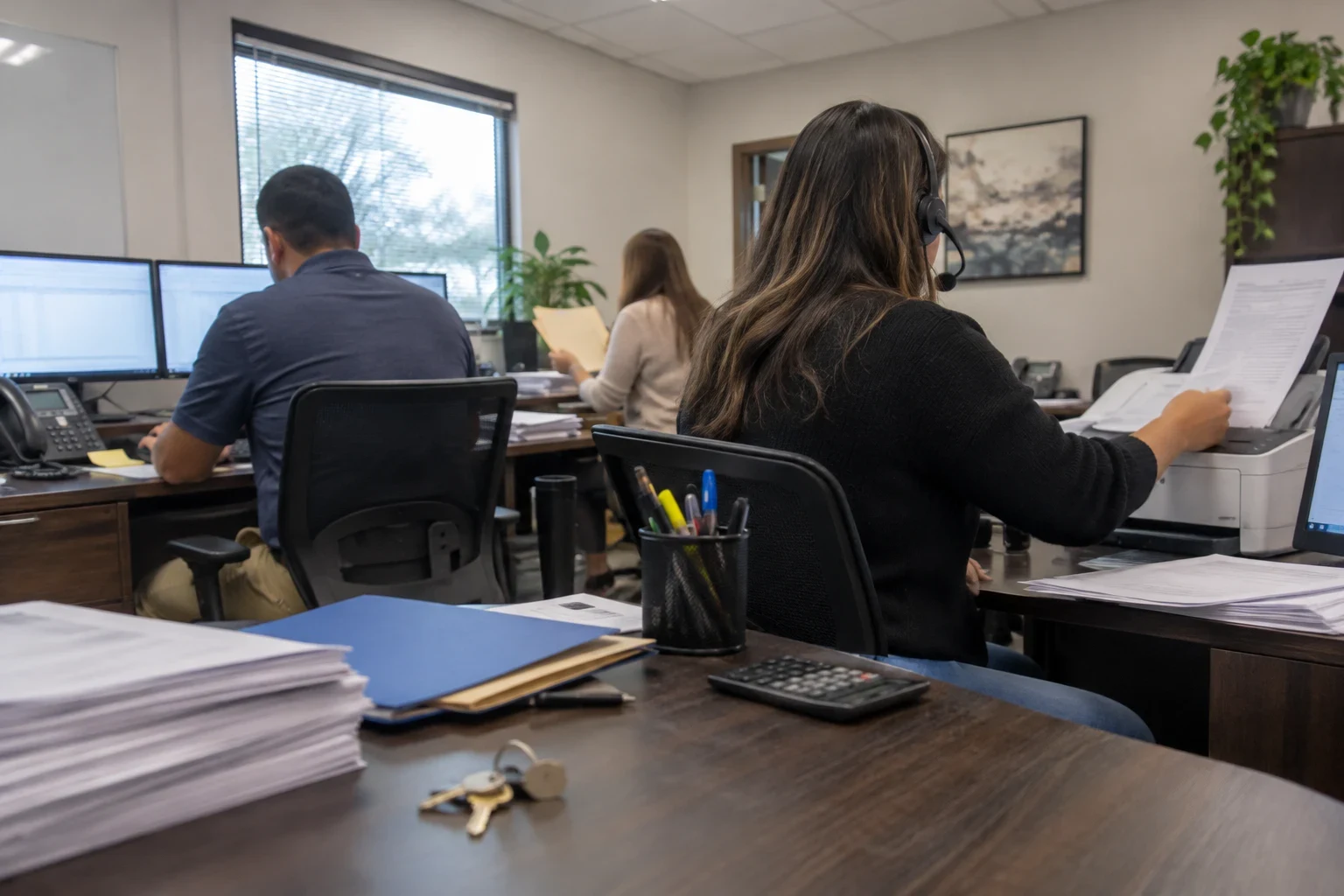
Manor Home Loans is a mortgage lender working with buyers and borrowers across Manor and the surrounding area. We handle purchase loans, refinances and equity lines for first-time buyers, veterans, self-employed borrowers and real estate investors.
Our approach is simple. A loan holds together when the small items are right: the employment gap that needs a letter, the overdraft on page three of a bank statement, the HOA certificate that takes two weeks to arrive. We look for those on the first pass so they do not surface the week you planned to move.
How a Loan Moves From First Call to Closing
Most purchase loans follow these five steps. Refinances and HELOCs skip the contract stage but keep the same checks.
- 1
Pre-qualification call
We talk through income, debts, savings and the price range you have in mind. You come away knowing which programs fit and roughly what you can borrow.
- 2
Documents and pre-approval
We collect pay stubs, W-2s or tax returns, and bank statements, then pull credit. Once the income and assets check out, we issue a pre-approval letter you can show sellers.
- 3
Application and rate lock
When you have a signed contract, we complete the application, send your loan estimate and lock the rate to match the closing date.
- 4
Appraisal and underwriting
The appraiser confirms the value and the underwriter reviews the file. Because we sourced deposits and verified income early, conditions at this stage are usually short.
- 5
Clear to close
You receive the Closing Disclosure at least three business days before closing. We compare it against your loan estimate with you, then you sign and get the keys.

Home Loan Questions We Hear Most
Something not covered here? (512) 271-4623
How much do I need for a down payment?
It depends on the program. FHA loans allow 3.5 percent down with qualifying credit, and some conventional loans allow as little as 3 percent. VA and USDA loans can require no down payment for eligible borrowers. You will also need money for closing costs and possibly reserves, which we estimate on the first call.
What credit score do I need to qualify?
Each program sets its own floor, and FHA loans are generally the most flexible. Score also affects pricing, not just approval. If your score sits just under a pricing tier, we can show you which balances to pay down to move it.
What is the difference between pre-qualification and pre-approval?
Pre-qualification is an early estimate based on what you tell us. Pre-approval means we have pulled credit and reviewed your income and asset documents. Sellers and agents give far more weight to a pre-approval letter.
I am self-employed. Can I still get a home loan?
Yes. With two years of tax returns, we can often use a conventional or FHA loan, adding back items like depreciation. If your returns show low income after write-offs, a bank statement loan uses 12 or 24 months of deposits to figure qualifying income instead.
How long does it take to close?
It depends on the program, the appraisal schedule and how quickly documents come in. We set the closing date with you and your agent when the contract is signed and lock the rate to match. Getting documents to us early is the biggest thing you can do to keep that date.
Can I buy a new place before I sell my current one?
Often, yes. A bridge loan can draw on the equity in the property you own now to fund the down payment on the next one, then gets paid off when the first one sells. We look at both properties and your monthly payments to see whether it fits.
What documents should I have ready?
Plan on your last 30 days of pay stubs, two years of W-2s or tax returns, two months of bank statements for every account, and a photo ID. Veterans should add a DD-214 or a Certificate of Eligibility if they have one. We send a list specific to your file after the first call.
What Moves Your Rate and Closing Costs
Two borrowers buying the same property can see different rates and fees. The difference comes from a handful of factors that lenders price the same way across the market. Knowing them helps you decide where a little effort, like paying down a card balance, pays off.
Every quote is a written loan estimate on the standard federal form, so you can compare it line by line with any other lender's offer. We price your actual scenario on the phone rather than quoting a rate before we know your numbers.
- Credit score
- Pricing changes in score tiers, so a few points can move you into a better bracket. Conventional loans react to score more sharply than FHA or VA loans.
- Down payment and loan-to-value
- A larger down payment lowers the loan-to-value ratio, which can improve the rate. On a conventional loan, putting down less than 20 percent adds private mortgage insurance until you build enough equity.
- Loan program
- FHA loans carry an upfront and annual mortgage insurance premium, VA loans have a funding fee unless you are exempt, and USDA loans have their own guarantee fee. Bank statement, bridge and hard money loans are priced higher because the lender takes on more risk.
- Points and lock period
- Paying discount points at closing buys a lower rate. A longer rate lock usually costs a bit more than a short one.
- Property type and occupancy
- A primary residence prices better than a second home or an investment property. Condos, multi-unit buildings and properties with acreage can carry adjustments.
- Debt-to-income ratio
- Your monthly debts divided by gross income decide how much you can borrow and sometimes which program fits. Paying off a car loan before applying can change the answer.
Find Out What You Qualify For
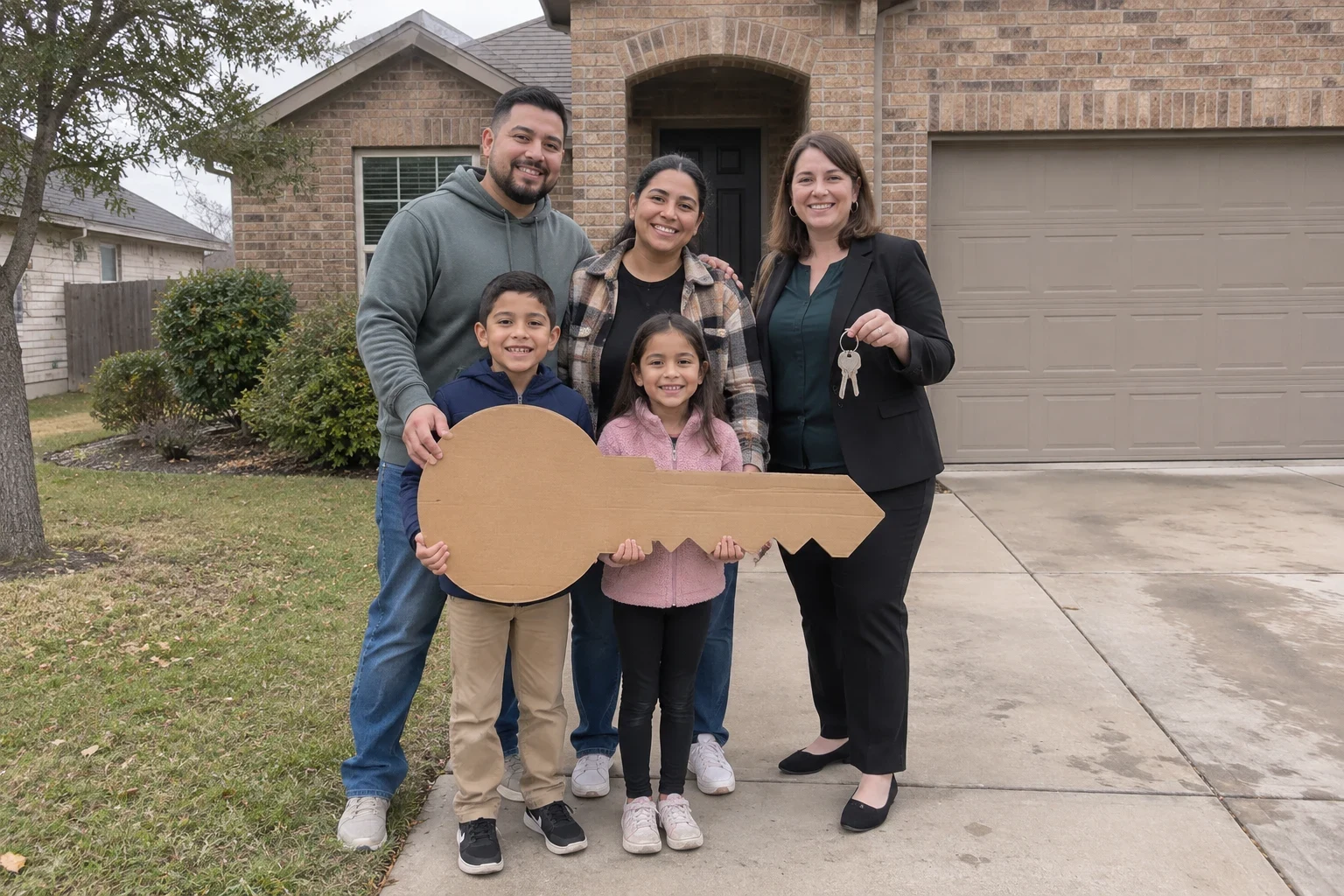
A short call with a loan officer covers your income, debts and goals, and ends with your pre-qualification and the programs that fit. If you are further along, we can start the application or give you rate quotes the same way.